
Figuring out the best men's streetwear brands isn’t just about chasing the latest hype or slapping a logo on your chest. It's about finding labels that get the culture right and deliver on quality craftsmanship. Sure, giants like Supreme, Stüssy, and Kith are icons for a reason, but the real "best" brand is the one that aligns with your personal style and what you stand for.
What Really Makes a Streetwear Brand Great
Forget the endless "Top 10" lists for a second. To really get what separates a legendary brand from a flash in the pan, you have to look at the roots. Streetwear is a culture first, clothing second—born from the gritty, creative energy of skate, surf, art, and music scenes. The brands that last aren't just selling hoodies; they’re selling a story, a perspective.
And that cultural significance translates to big numbers. We're talking a $185 billion market, which makes up about 10% of the entire global apparel industry. This is all part of a bigger trend: the menswear market is expected to rocket from $595.74 billion to nearly $936.94 billion by 2033. Why? Because guys are increasingly ditching stuffy formalwear for clothes that are comfortable, expressive, and actually well-made.
To help you navigate this, here's a quick checklist of what to keep in mind. We'll dive deep into each of these points throughout this guide.
Streetwear Brand Evaluation Checklist
| Evaluation Factor | What to Look For | Why It Matters |
|---|---|---|
| Authenticity & Story | Genuine ties to a subculture (skate, art, music). A clear, consistent point of view. | You're buying into a culture, not just a product. Authenticity builds a lasting legacy. |
| Material & Quality | Premium fabrics, solid construction (stitching, hardware), and attention to detail. | A well-made garment looks better, feels better, and stands the test of time. |
| Fit & Sizing | A consistent and inclusive size range. Clear sizing charts and fit descriptions. | The best design in the world means nothing if the fit is off. |
| Influence & Relevance | Does the brand lead trends or just follow them? A unique aesthetic and cultural impact. | Influential brands shape the conversation and offer something timeless. |
This table is your starting point—a mental framework for cutting through the noise and focusing on what truly matters when you're deciding where to spend your money.
The Pillars of a Premier Brand
So, how do you actually spot the future classics from the fast-fashion knockoffs? It really comes down to a few core principles that the heavy hitters have mastered. These aren't just random rules; they're the DNA of a brand with staying power.
When you're checking out a new brand, run it through this simple filter:
- Authenticity: Does it have real roots in a subculture? The story should feel earned, not like a marketing ploy cooked up in a boardroom.
- Quality: Forget the logo for a minute and just look at the piece. Is the fabric substantial? Is the stitching clean? These are the non-negotiables.
- Influence: Is the brand pushing boundaries or just chasing the algorithm? The great ones innovate and leave a mark.
This flowchart breaks down that exact process. It’s the method I use to judge whether a brand is worth the investment.
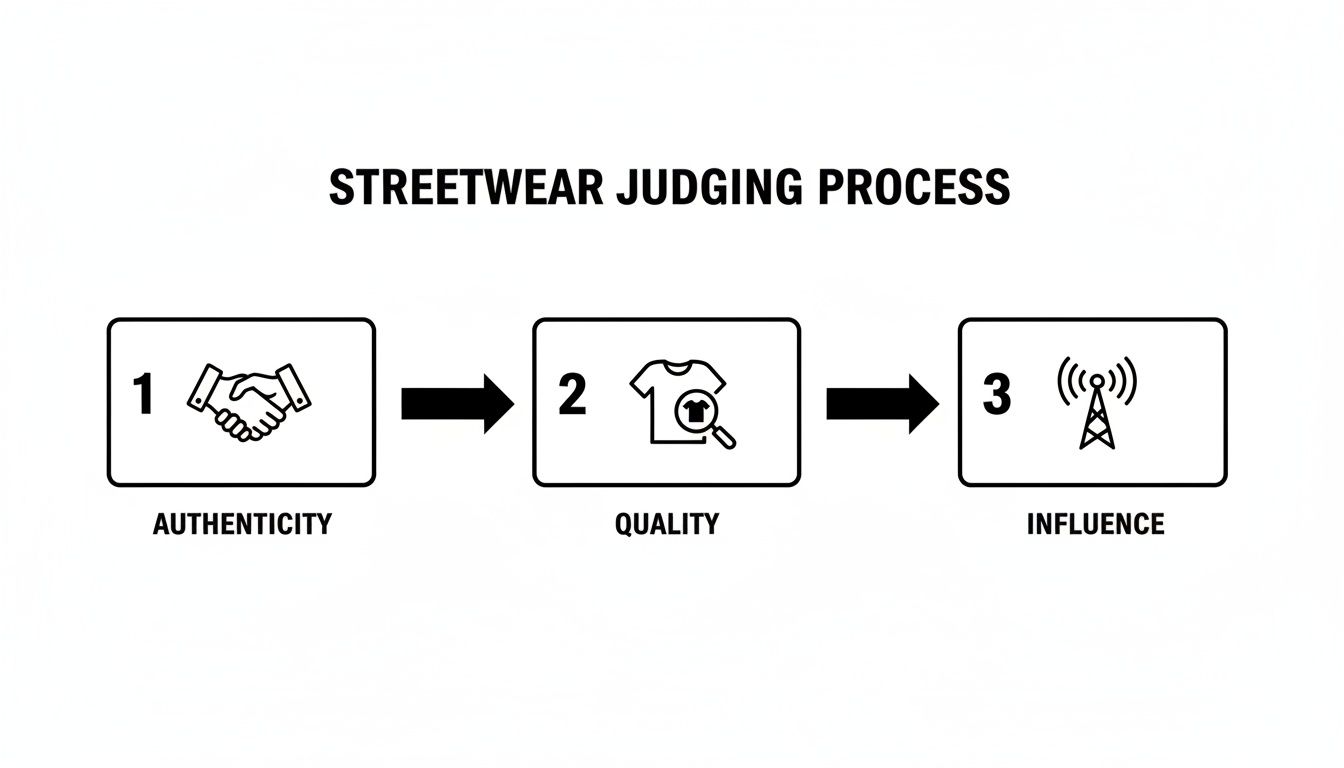
Using this framework helps you see past the hype and zero in on what makes a piece truly valuable: genuine roots, solid construction, and a real point of view.
The most compelling streetwear doesn't just look good—it feels like a part of something bigger. It’s wearable art that connects you to a movement, a moment, or a mindset.
This guide is designed to give you the tools to find that connection. We're going to move beyond just naming brands and actually teach you how to evaluate materials, nail the fit, and spot quality from a mile away.
And if your style leans into performance-driven gear, our guide on the best athleisure for men is a great next step for building a truly functional wardrobe. Think of this as your field manual for investing in pieces you'll actually love and wear for years.
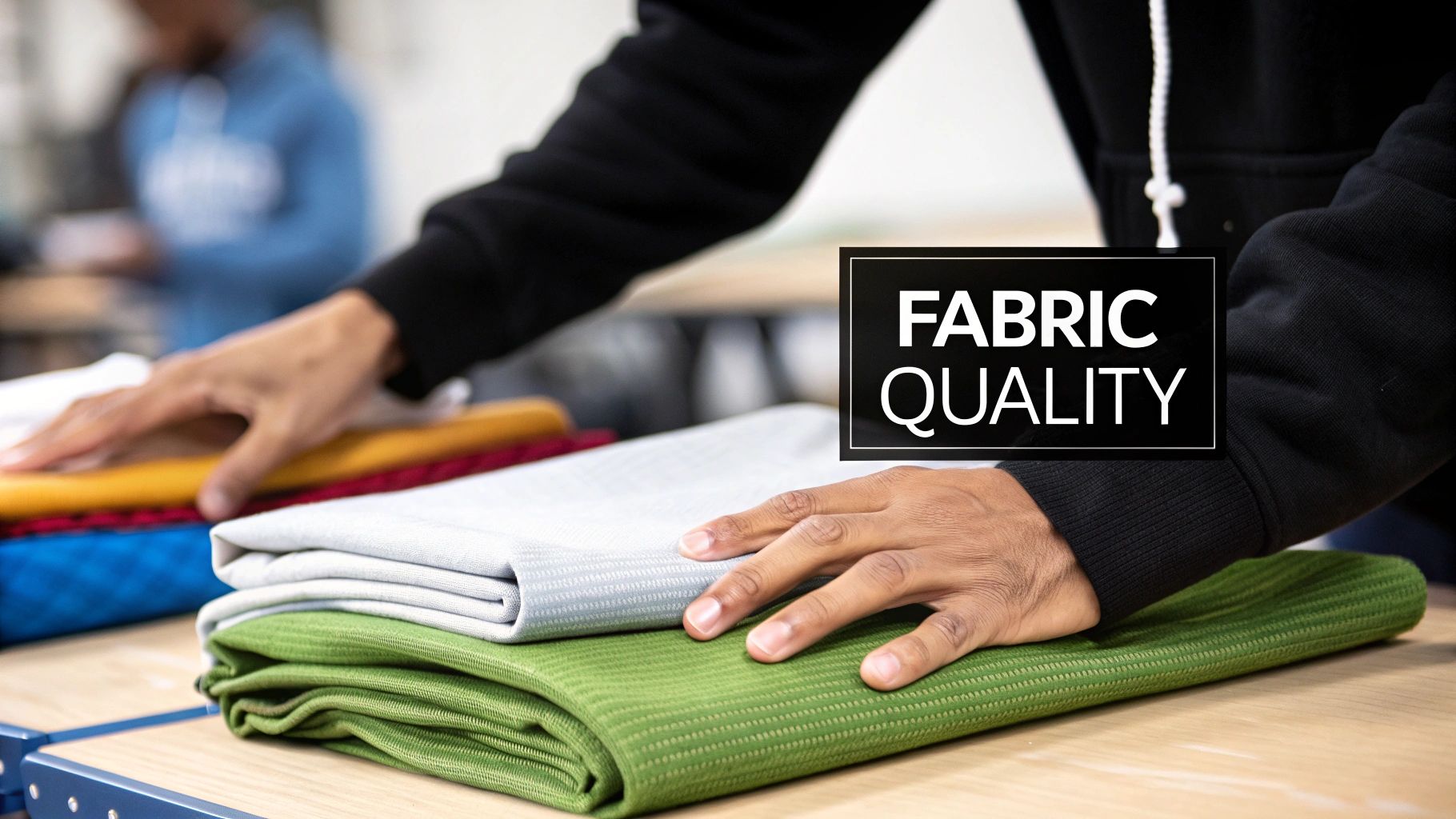
How to Judge Fabric Quality and Durability
The line between a piece you'll wear for years and one that's a fast-fashion regret almost always comes down to the fabric. It’s what dictates how a garment hangs, how it feels against your skin, and, crucially, how long it’s going to last. Getting a handle on materials is probably the single best skill you can develop to make sure you're spending your money wisely.
When you're checking out a piece, either in a store or when it arrives from an online order, the first thing to do is just feel it. What’s the weight like? Is that hoodie made from a thick, beefy French terry cotton, or is it a flimsy blend that you can just tell will warp after the first wash? Premium cotton should feel substantial and smooth, not scratchy or weak.
The same goes for outerwear. Top-tier streetwear brands don't use technical fabrics just for show. Take ripstop nylon, for example. It's woven in a specific grid pattern that stops small tears from turning into massive rips. That's the kind of practical detail you want in a jacket you plan on actually living in.
Beyond the Basics: Performance and Feel
It’s easy to get caught up in looks, but you have to think about how a fabric will perform in your day-to-day life. A great-looking jacket is pretty useless if you start sweating the second you walk into a store. That’s where breathability is key.
- Natural Fibers: Materials like cotton and linen are naturally breathable. Air moves through them, which helps keep you from overheating. Perfect for tees, hoodies, and light jackets.
- Technical Blends: These days, many brands are using smart polyester or nylon blends engineered for moisture-wicking. These fabrics actively pull sweat away from your skin, which is a game-changer for staying comfortable on the move.
This focus on real-world function is what separates truly well-designed clothing from the cheap stuff. It's the difference between a shirt that becomes your go-to and one that just hangs in the back of your closet.
Decoding Common Streetwear Fabrics
Learning to read a product tag is like having a cheat sheet for quality. Certain materials are streetwear staples for a reason—they just work.
A heavyweight sweatshirt, for instance, is a non-negotiable part of any solid wardrobe. If you want to get really granular on what makes a great one, our guide on the best sweatshirts for men covers all the details on fabric weights and construction you need to know.
You can learn a surprising amount from a simple "touch test." High-quality fabric just feels different—it’s dense, smooth, and feels like it was made with intention. Trust your gut. If it feels cheap, it probably is.
When you've got a garment in your hands, look for these tell-tale signs of quality:
- Fabric Density: Hold it up to a light. If you can practically see right through it, you're looking at a low-grade, thin material that won't hold up.
- Stitching and Seams: Flip it inside out. Are the stitches tight, clean, and even? Good stuff will have reinforced seams in high-stress areas like the shoulders and armholes.
- The Pilling Test: Gently rub a small, hidden spot of the fabric (like an inside seam) between your fingers for a few seconds. If it starts to bunch up into little balls (pilling), that's a red flag for short, weak fibers that will wear out fast.
Ultimately, choosing pieces with better materials means you're buying clothes that will not only survive a wash cycle but will actually look and feel better the more you wear them. That's the core of building a smart, sustainable wardrobe.
Nailing the Perfect Fit in Streetwear
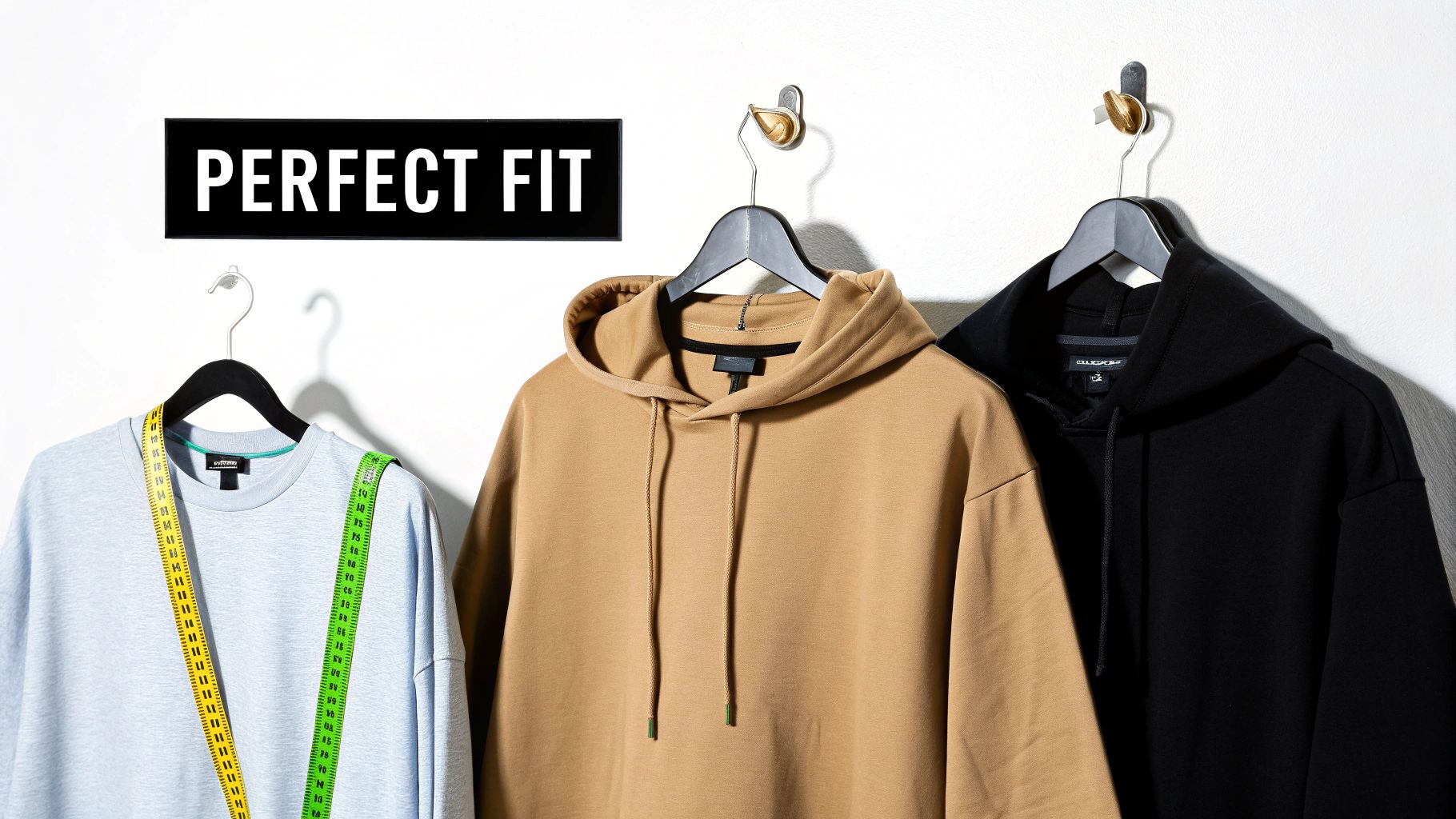
In the world of streetwear, fit is everything. It’s the entire conversation. The right silhouette can elevate a simple outfit into something special, but inconsistent sizing across brands can make shopping online feel like a total crapshoot.
You've probably been there: one brand's "oversized" hoodie fits like another's standard large, leaving you with a piece that just doesn't hit right. The first step to avoiding that is getting to know the core silhouettes that define the culture. Streetwear isn't just about slim or regular fits; it’s a playground of proportions.
Decoding Streetwear Silhouettes
The cut of a garment is just as important as the graphic printed on it. Once you figure out which shapes work for your body and your style, you'll find it so much easier to build a wardrobe that actually works.
Here are the most common fits you'll run into:
- Boxy Fit: This is all about a wider chest and shoulders that drop straight down. It creates a strong, structured silhouette and is honestly a great look for most body types, especially if you're looking to add some width to your frame.
- Cropped Fit: Don't let the name intimidate you. This style simply has a shorter torso, designed to sit right at or slightly above your waist. It’s a killer look for layering and has a way of making your legs look longer.
- Relaxed & Tapered: You'll see this cut mostly in pants and joggers. It's roomy and comfortable up top through the thigh, then narrows from the knee down. It’s the perfect blend of comfort and style—relaxed without ever looking sloppy.
Finding the best men's streetwear brands often means finding the ones that have absolutely perfected one of these cuts.
The secret to looking great in streetwear is intentionality. An oversized tee should look deliberately slouchy and well-proportioned, not like you're just wearing clothes that are two sizes too big.
Master Your Measurements
Want to stop guessing and start getting it right every time you order online? It's time to get friendly with a measuring tape. A brand's size chart is your guide, but it’s useless if you don’t know your own numbers.
Forget about "Medium" or "Large." Those labels mean different things to different brands. Instead, focus on the actual numbers. For tops, the two most important measurements are shoulder-to-shoulder and body length. For pants, your waist and inseam are key, but don't overlook the rise and thigh opening—they make a huge difference. If you're unsure where to start, check out our guide on how to measure waist size for pants.
Here’s a pro tip that has saved me countless returns: measure a piece of clothing you already own and love the fit of. Lay it flat, measure the key dimensions, and write them down. Now you have a personal set of specs to compare against any size chart online. This one simple trick can solve 90% of your sizing headaches.
Spotting Quality Construction and Craftsmanship
Great fabric is only half the story. If a garment is put together poorly, even the best materials won't save it. This is where the truly top-tier men's streetwear brands pull away from the crowd—it's all in the details. Learning to spot quality construction is what turns a simple purchase into a piece you'll have for years.
The first thing I always check? The seams. Don't be afraid to flip a garment inside out and take a hard look at the stitching. You're looking for clean, straight, and consistent lines. If the stitching looks loose, uneven, or sloppy, that’s a huge red flag. A shoddy single stitch is basically a guarantee that the piece will start falling apart after a few wears and washes.
On the flip side, the good stuff often features double-needle stitching, especially around high-stress areas like the collar, cuffs, and hem. This technique uses two needles to create two parallel rows of stitches, making the seam incredibly strong. It also gives it a clean, flat finish that helps the garment keep its shape wash after wash.
The Details That Define Durability
Beyond the main seams, it’s the little things that really tell you about the quality. The hardware and graphics can be just as revealing as the fabric itself. A brand that sweats the small stuff is a brand that cares about the final product.
Think about the zipper on a jacket or the fly on a pair of pants. Does it feel cheap and flimsy, or does it have a solid, satisfying pull? When I see a brand using zippers from trusted names like YKK or RiRi, I know they're not cutting corners. The same goes for buttons, snaps, and even the little metal tips on drawcords—they should feel sturdy, not like they're about to chip or pop off.
The same critical eye applies to graphics. A cheap screen print feels stiff and plasticky, and you just know it's going to crack and fade after a couple of machine cycles. You want to look for better applications that are built to last:
- High-density embroidery gives you a textured, raised design that’s incredibly durable and just looks and feels premium.
- Quality screen prints should feel soft, almost like they’re part of the fabric itself, not just sitting on top of it.
A well-made garment is a sum of its parts. When a brand takes the time to reinforce seams, use premium zippers, and apply graphics that last, it’s a clear sign you’re investing in a piece designed to endure.
A Quick Checklist for Quality
Whether you’re in a store or just unboxed a new arrival, run through this quick mental checklist. It only takes a minute and can save you a lot of disappointment down the road.
- Stitching Inspection: Give the seams a gentle pull. See any stretching or threads coming loose? You're looking for neat, dense stitching with no stray threads hanging off.
- Hardware Test: Work the zipper a few times. It should glide smoothly without catching. Check that the buttons are sewn on tightly and the buttonholes are cleanly finished.
- Graphic Integrity: Rub the graphic with your thumb. Does it feel like it’s going to peel or crack? A quality print or embroidery will hold up.
Learning to spot these markers of good craftsmanship helps you see past the hype and the logo. It gives you the confidence to know you're buying genuinely well-made clothing that won't just look great today, but will get even better with time.
Understanding Price Hype and Resale Value
Ever found yourself staring at two graphic tees that look almost identical, wondering why one is $40 and the other is $400? You’ve just stumbled into the wild economics of streetwear. The price on a piece is almost never just about the cotton and stitching. It’s a carefully crafted mix of actual production cost, brand legacy, and, most importantly, the powerful engine of manufactured scarcity.
A brand with a deep, authentic history can justify a higher price because you're not just buying a shirt; you're buying a piece of that story. But tangible factors matter, too. A jacket made with technical Gore-Tex fabric will naturally cost more to make than one cut from basic nylon, and that difference is reflected in the price.
Where things get really interesting, though, is with hype. Brands have become masters at whipping up insane demand by releasing limited-edition items in "drops," turning a simple product release into a full-blown cultural moment. This is what transforms a hoodie from a piece of clothing into a collectible.
The Power of Scarcity and Brand Prestige
Limited supply is the fuel that makes the streetwear world go 'round. When a brand like Supreme releases a new Box Logo hoodie in a tiny batch, the retail price becomes almost meaningless. The real value is decided on the resale market just minutes after it sells out.
This whole game really comes down to a few core tactics:
- Limited Runs: Intentionally producing fewer items than people want. This guarantees that every piece feels exclusive and highly sought-after.
- Brand Collaborations: Teaming up with another big-name brand or a popular artist creates a unique, one-off product that die-hard fans feel they absolutely have to own.
- Cultural Clout: The brand's reputation is everything. Owning a piece from a hyped brand signals that you're part of the club.
And make no mistake, this is big business. The global streetwear market was valued at an astonishing $347.14 billion and is expected to rocket to $637.14 billion by 2032. This incredible growth is driven by the very principles of hype and exclusivity that turn regular clothes into assets. You can dig into more streetwear market trends and projections to see just how massive this has become.
Navigating the Resale Market
The resale market is where an item's true "hype value" gets set in stone. Platforms like StockX and Grailed act like a stock exchange for apparel, with prices swinging wildly based on demand, rarity, and what's happening in pop culture. A celebrity gets photographed wearing a certain piece, and its value can explode overnight.
So, is a hyped-up item a smart buy? It really depends. Some iconic collaborations can actually appreciate over time, becoming a true "grail" for collectors. Many others, however, see a huge price spike right after the drop and then slowly fade away.
Before you pay resale, ask yourself one simple question: Am I buying this because I love the design and will wear it for years, or am I betting on its future value? Be honest with yourself.
For most of us, finding a middle ground is the best approach. It's fun to understand the hype, but you don't have to get caught up in every drop. Instead, zero in on brands that deliver exceptional quality and a timeless aesthetic for a fair price.
At ModaMuse, for example, our goal is to give you that high-end construction and feel without the insane price tag that comes from artificial scarcity. It's about building a wardrobe based on real, lasting value—not just fleeting buzz.
Building a More Sustainable Streetwear Wardrobe
The whole point of quality streetwear is that it lasts. These aren't throwaway pieces you wear for a single season; they're investments. This mindset naturally bumps up against the disposable world of fast fashion and puts you on a more sustainable path.
Thinking this way means looking past the logo and digging into the entire story of a garment—what it's made of, how it was made, and who made it.
This shift toward sustainability isn't some fringe movement anymore, either. Some of the sharpest men's streetwear brands are actually leading the way, making eco-conscious choices a core part of their identity. They’re getting serious about using materials with a smaller footprint and are way more open about their supply chains.
When you're building your wardrobe, you're voting with your wallet. Choosing brands that are committed to ethical production and sustainable fabrics is a real way to make your personal style say something about what you value.
How to Spot Genuinely Sustainable Brands
It's easy for a brand to talk a big game, but you've got to look for the proof. Lots of companies practice "greenwashing," where they use fuzzy, eco-friendly language to sound better than they actually are.
To see through the hype, you need to get specific. Does the brand actually tell you what materials they're using? Look on the product page or see if they have a dedicated sustainability section on their site.
Here are a few good signs you're on the right track:
- Organic Cotton: It’s grown without the nasty pesticides, which is better for the soil, the farmers, and you.
- Recycled Polyester: This stuff is often made from old plastic bottles, which keeps trash out of landfills and cuts down on the need for new resources.
- Hemp: A seriously tough and fast-growing plant that doesn't need a lot of water or any pesticides.
Beyond the fabric tag, transparency is everything. A brand that's genuinely committed to doing things right won't be shy about where their factories are and how they treat their workers. Look for certifications like Fair Trade or B Corp—those are solid signs that a company is being held to a high standard.
At its heart, a sustainable wardrobe is built on the "buy less, choose well" principle. It's about grabbing high-quality, versatile pieces you'll actually want to wear for years. This doesn't just lighten your environmental footprint; it also helps you develop a more curated, timeless style.
At ModaMuse, we’re all about creating pieces that are built to last. By using durable, high-performance fabrics and designing silhouettes that are modern but not trendy, we make clothes that will earn their spot in your closet season after season. We aim for that sweet spot where style and substance meet, so you can build a wardrobe that not only looks great but also aligns with your values.
Your Streetwear FAQs, Answered
Alright, we've covered the big stuff—spotting quality, getting the fit right, and knowing what’s worth your money. But the day-to-day realities of building and maintaining a great wardrobe always bring up a few more questions. Let's tackle some of the most common ones I hear.
How Do I Keep My Gear From Looking Worn Out?
You’ve invested in pieces you love, so you want them to last. The single best piece of advice? Read the care label. Seriously. It’s there for a reason, and different blends and prints require different handling.
That said, a few rules of thumb will serve you well across the board. For anything with a graphic print or detailed embroidery, like your favorite hoodie or tee, always wash it inside out and in cold water. This little trick is your best defense against a faded, cracked print.
And please, step away from the high-heat dryer cycle. It’s the number one enemy of fit and fabric. I always recommend air drying—either flat or on a hanger—to keep your clothes from shrinking or getting stressed out.
Pro Tip: A gentle, low-suds detergent is your best friend. Skip the fabric softeners, too, especially on technical fabrics, as they can clog the fibers and ruin the material's performance features.
Is It Possible to Build a Solid Wardrobe Without Going Broke?
One hundred percent. A great streetwear collection is built on smart choices, not a massive budget. It’s all about strategy.
Your first move should be to lock down your foundation with high-quality, versatile basics.
- Build Your Core: Start with a perfectly fitting black or grey hoodie, a great pair of dark denim or cargo pants, and a handful of well-made neutral tees. These are the workhorses of your wardrobe.
- Play the Long Game: Be patient and watch for end-of-season sales from the brands you actually like. This is where you can grab those higher-ticket items at a serious discount.
- Hunt for Hidden Gems: Don't sleep on resale. Sites like Grailed or even your local high-end consignment shop can be goldmines for unique pieces from top-shelf brands for way less than retail.
It’s about quality over quantity, every single time. A few well-made, timeless pieces will do more for your style than a closet full of trendy, disposable clothes.
Ready to find those foundational pieces that perfectly mix performance, style, and solid construction? Check out the curated collections at ModaMuse for streetwear and athleisure essentials designed for how you actually live.
